











Glaucoma
Content
Description
Glaucoma is a disease of the optic nerve of the eye causing vision loss and blindness by damaging the nerve through increased pressure inside the eye (intraocular pressure - IOP).
This disease is without symptoms for a long time, sometimes there are headaches and a feeling of pressure in the eyes. Later, it is manifested by gaps in the field of vision, loss of peripheral vision, reduction of visual acuity.
Glaucoma affects about 1% of the population.
Facts
- Local anesthesia
- Outpatient procedure
- Procedure takes about 30 minutes
- Treatment is necessary throughout life
The cause of glaucoma is not very understood, but mostly the reason is increased intraocular pressure, which arises when the formation or outflow of intraocular fluid (aqueous humor) is impaired.
This condition is appears in patients with:
- Age over 60 and family members with glaucoma
- The log-term use of corticosteroids (steroid medications)
- Injury of the eye
- Diabetes, migraines, high blood pressure
- As well as other causes
Glaucoma mostly affects older patients, but we also know congenital glaucoma in children.
Glaucoma can be diagnosed during a standard eye examination by measuring visual acuity, perimetry and measuring intraocular pressure.
However, since there is also glaucoma with normal intraocular pressure, the most accurate examination of the retina is an OCT (optical coherence tomography) device. The device painlessly examines the macula, the blind spot, and the layers of nerve fibers.
Glaucoma treatment depends on the stage of damage to the optic nerve. Glaucoma cannot be completely cured, but proper treatment can stop or slow down the disease.
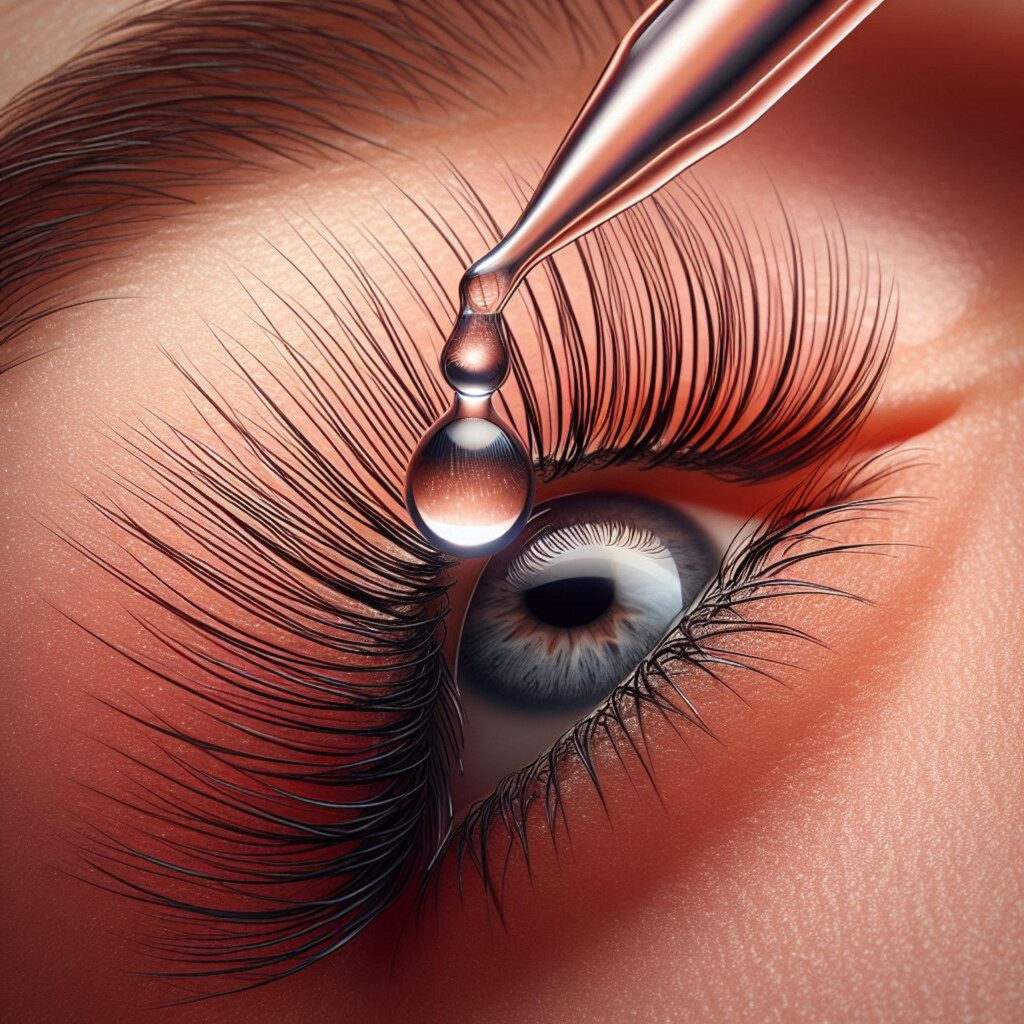
- In the early stages glaucoma is treated with eye drops that reduce intraocular eye pressure. The drops must usually be taken for life.
Surgical treatment consists in facilitating the outflow of intraocular fluid (aqueous humor). They are mainly used:
- A trabeculectomy is a surgical procedure in which a connection is made between the sclera and the anterior chamber of the eye so that the intraocular fluid (aqueous humor) can drain away (the fluid is drained).
- For mild glaucoma a minimally invasive glaucoma surgery (MIGS) is used.
- Selective laser trabeculoplasty can destroy melanin-containing cells (located in the iris), creating a connection between the eye chambers and facilitating the drainage of intraocular fluid. An argon laser is used.
- Laser iridotomy. Laser surgery using a YAG laser consists in surgically creating a connection between the eye chambers (creating an opening in the iris).
The principle of surgical procedures is therefore to facilitate the outflow of intraocular fluid (aqueous humor), which leads to a decrease in intraocular pressure. Operations can mostly be performed under local anesthesia and take up to 30 minutes.
After the procedure a regular check-ups at the outpatient clinic with measurement of intraocular pressure are necessary.
Eye drops are used for a life-long period.