




Rehabilitation and Physical medicine
Content
Description
Rehabilitation and physical medicine (physiotherapy, physiatry) are an important part of treatment not only after orthopedic operations, but also for many other diseases.
The return of mobility (full-range motion), coordination and improvement of muscle strength after injuries and operations requires expert guidance, taht is devoted to one entire medical field - Physical medicine and rehabilitation (PM&R).
Facts
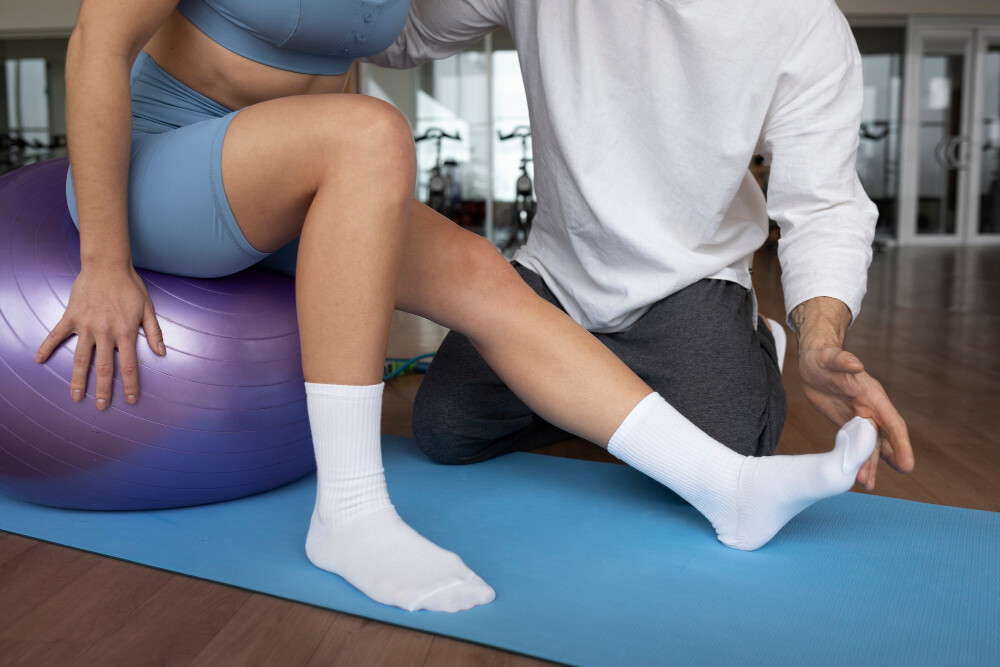
- Inpatient and outpatient rehabilitation
- Exercise lasts 30-60 minutes
- Multiple sessions required
- Goal of rehabilitation is the return of movement
According to WHO, rehabilitation is defined as: “a set of interventions designed to optimize functioning and reduce disability in individuals with health conditions in interaction with their environment”.
The use of rehabilitation and physiatry is for many diseases, which is addressed by the entire spectrum of specialists - orthopedics, traumatology, surgery, neurology and neurosurgery, pulmonology, gynecology, urology and others.
The basic difference between rehabilitation and physiatry is:
- Physical medicine (physiatry) uses the influence of physical stimuli on the body.
- Balneology (balneotherapy) uses natural mineral waters, hot springs, mud baths and hydrotherapy treatments.
- Rehabilitation is a general term. A healthcare used to achieve physical, sensoric, intellectual, psychological and social functioning. Rehabilitaion uses therapeutic physical education (Physical therapy - PT), occupational therapy (OT) and psychosocial rehabilitation.
The specialists for Physical medicine and rehabilitation (PM&R) are called Physiotherapists.
Golas of physical medicine and rehabilitation are:
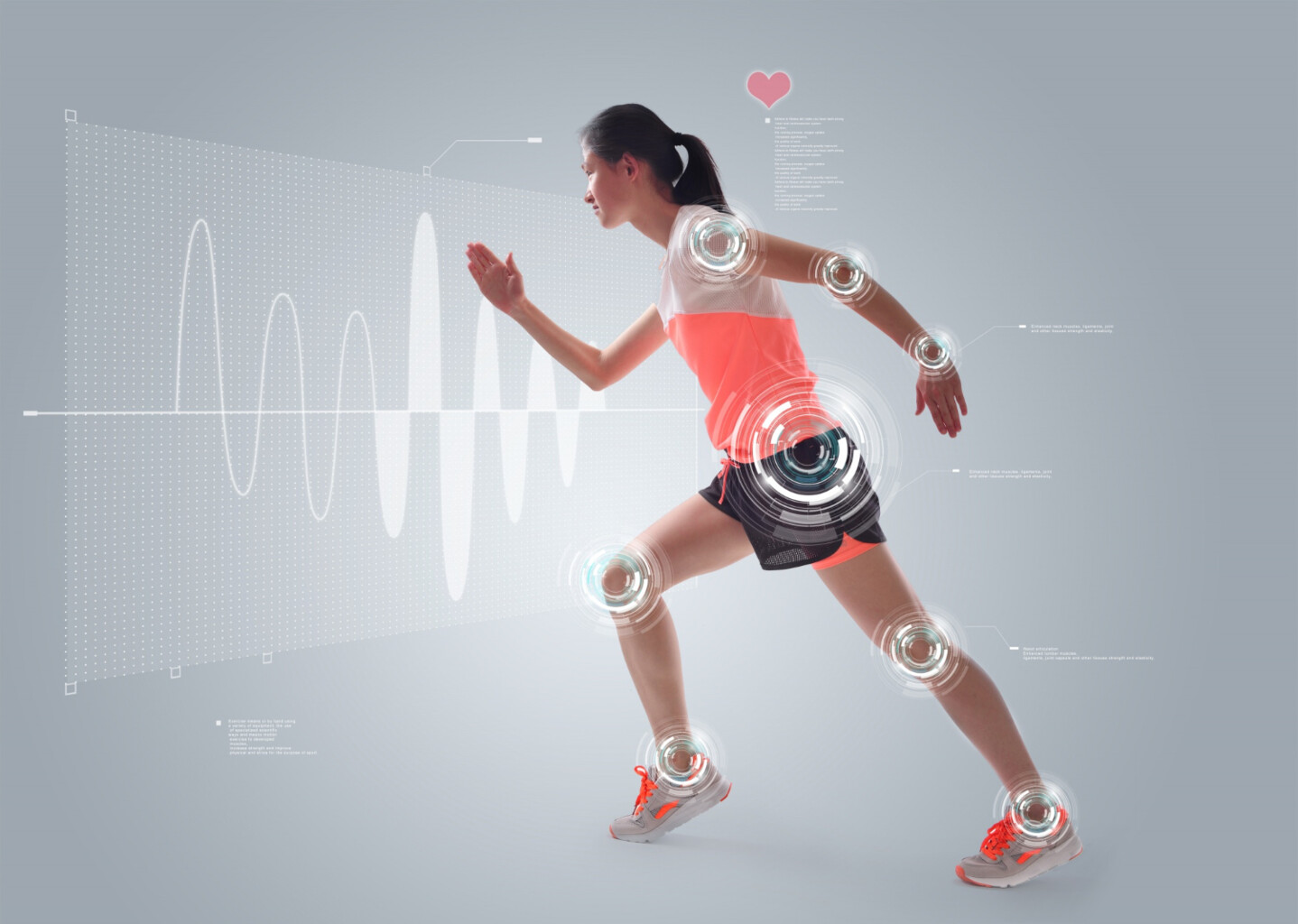
- Increase muscle strength and overall condition.
- Improvement of the motoric skills, stability and mobility, coordination, elimination of pain.
- Improvement of movement stereotypes, movement ergonomics.
- Improvement of mental state and mood.
- Learning how the use of medical and orthopaedic devices (crutches, wheelchair, walker, etc.).
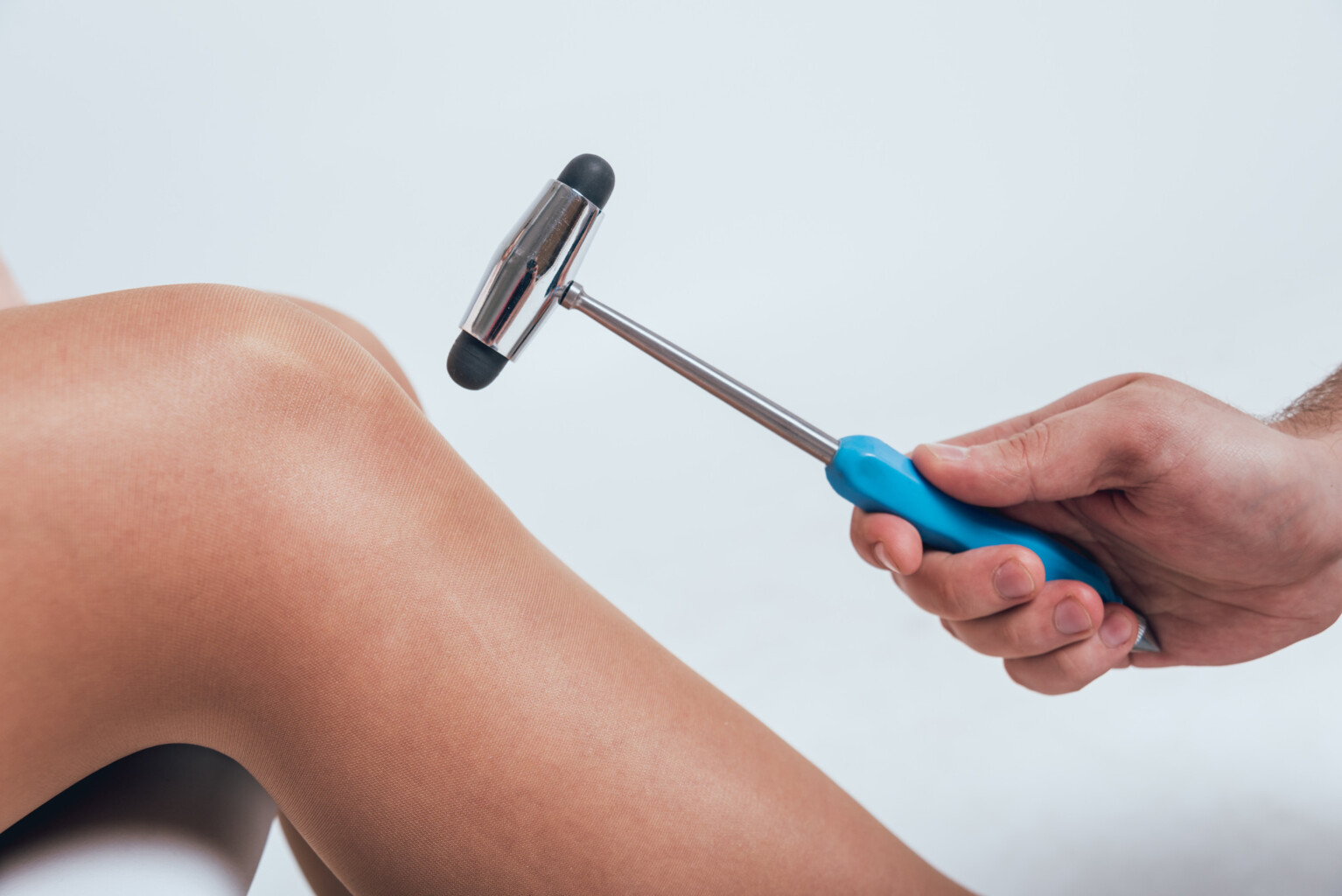
The first step is to examine the patient and draw up a rehabilitation plan.
- A consultation and evaluation of the patient's condition will take place. Not only the current illness (for example, injury, condition after surgery), but also the general health condition of the patient (for example, condition after defeat, condition after amputation of limbs) is evaluated.
- It is therefore important to bring medical documentation with findings, images and descriptions (X-ray, magnetic resonance imaging - MRI, computed tomography - CT).
- Subsequently, a rehabilitation plan is drawn up, according to which the patient subsequently exercises. Rehabilitation and physiotherapy includes a number of methods that are tailored to the patient as required by his/her body.
Preoperative rehabilitation
- In the case of planned surgery (surgery of the shoulder, knee, hip joint, spine and wrist) pre-operative rehabilitation is very suitable so that your body is in good condition before the surgery itself. This will facilitate your healing and return to normal daily activities and sports activities. Rehabilitation should be planned 2 - 6 weeks before the surgery.
Postoperative rehabilitation
- It is said that a good operation is half the success, the other half is proper and timely rehabilitation. The timing of rehabilitation depends on the type of surgery.
- Some surgeries require rehabilitation on the first post-operative day, after some surgeries we need to wait until the tissues are strong (healed) enough to be loaded for rehabilitation.
Various methods of physical medicine and rehabilitation are planned according to needs of patient.
PM&R methods include:
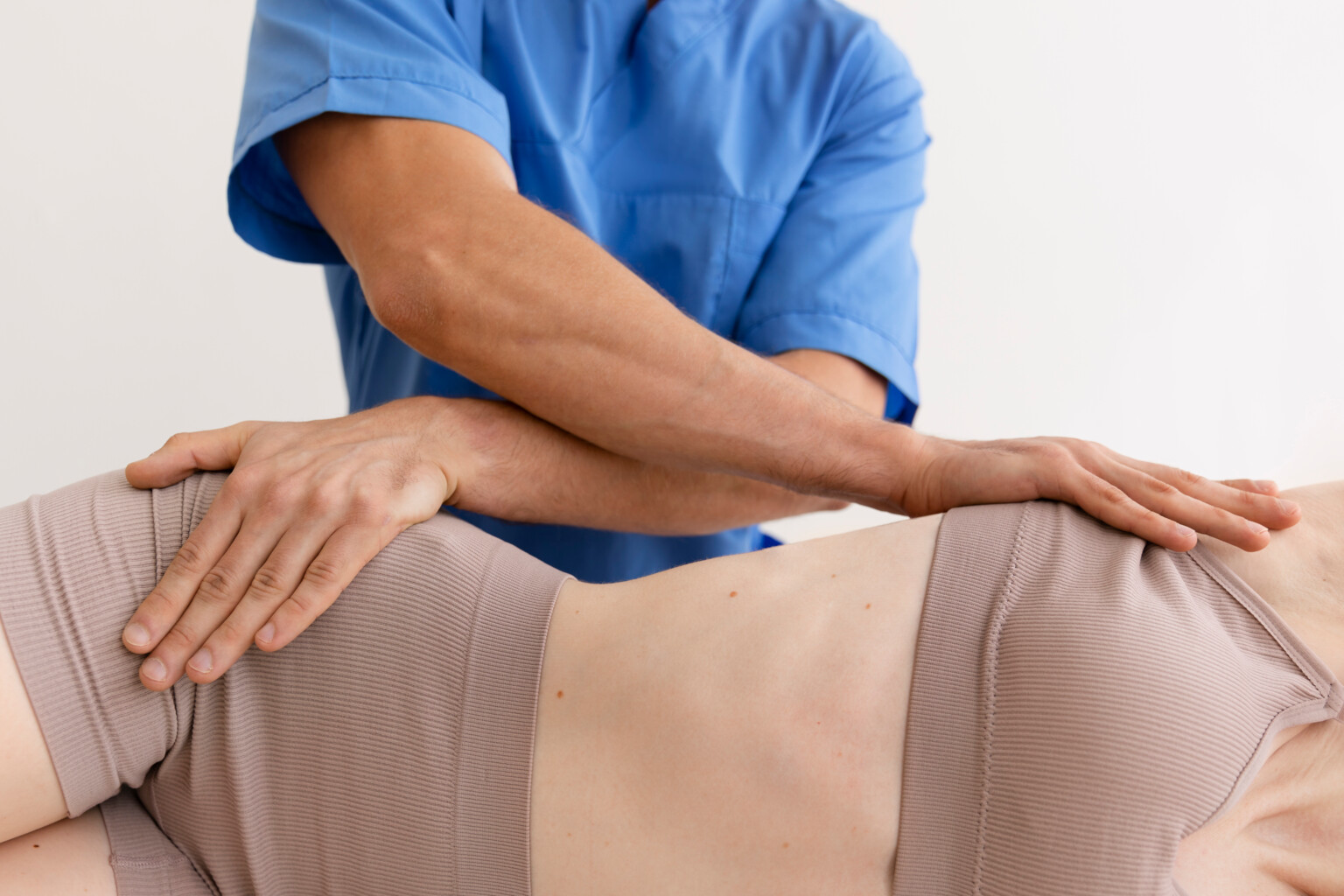
- Massage (massage of stiff muscles, improving blood circulation, lymph drainage, blood circulation, reducing muscle tension).
- Phototherapy (light therapy, for example: LASER has a biostimulating effect, supports vascularization, regeneration of blood vessels and healing processes, biolamp and ultraviolet (UV) lights is suitable for pain and inflammation).
- Hydrotherapy (water bath treatment, water jet massage, application of warm and cold water).
- Magnetotherapy (uses the effect of a magnetic field, treats pain (analgesic effects), inflammation, swelling, accelerates healing after injury).
- Electrotherapy (healing effect of electric energy, which improves circulation and nutrition of tissues, stimulates nerves and muscles with alternating electric current).
- Ultrasound and Extracorporeal shockwave therapy (suitable mechanical properties of high-frequency sound waves to relieve spasms, improve circulation and healing).
- Lymphatic drainage massage is used to improve swelling caused by lymphatic stasis (accumulation of lymph in the tissues), improves blood and lymph flow, and softens the problem area. We know manual lymphatic drainage (special massage) as well as lymphatic drainage provided with devices.
- Cupping (vacuum therapy) - placing vacuum cups on the skin, which create a negative pressure and improve blood circulation in the skin and subcutaneous tissues, as well as in the muscles. A suitable method for back pain, joint pain, muscle spasms, post-operative conditions, inflammation of tendons, joints and rheumatism.
- Kinesiology Tape (taping) is the application of a special tape to the skin that stabilizes joints, reduces swelling, relieves pain, speeds up healing and recovery.
- Oxygen therapy (inhalation of pure oxygen to improve blood flow to tissues and body organs, support blood formation).
- Thermotherapy is treatment with heat and cold compresses (e.g. heat packs, cryotherapy).
In addition to these methods, a large number of exercise methods are used (Pilates, McKenzie, Mulligan concept, according to Vojta, Kaltenborn, Freeman and many others).