










Respiratory Medicine (Pulmonology)
Content
Description
Pulmonology (respiratory medicine) is a specialized branch of internal medicine that focuses on diseases of the lungs and respiratory tract.
The main symptoms of respiratory tract and lung diseases are:
- Dyspnea (shortness of breath)
- Cough and expectoration (of mucus, blood)
- Chest pain
- Wheezing (whistling breathing)
Facts
- Outpatient examination
- Examination lasts 30 minutes
Pulmonary medicine most often deals with the following diseases:
- Pneumonia and bronchial inflammation (bronchitis), pleurisy (pleuritis)
- Infections of the respiratory tract and lungs (severe flu, tuberculosis, COVID-19)
- Chronic diseases such as: Bronchial asthma, Chronic obstructive pulmonary disease (COPD) Cystic fibrosis, sarcoidosis, pulmonary fibrosis
- Allergic respiratory disease
- Lung cancer
An examination by a respiratory physician (lung specialist) consists of a medical consultation about diseases, surgeries, hospital stays and obtaining an overview of all medications used.
- Breathing will be examined and listened to
- Blood and urine samples
- Allergy tests
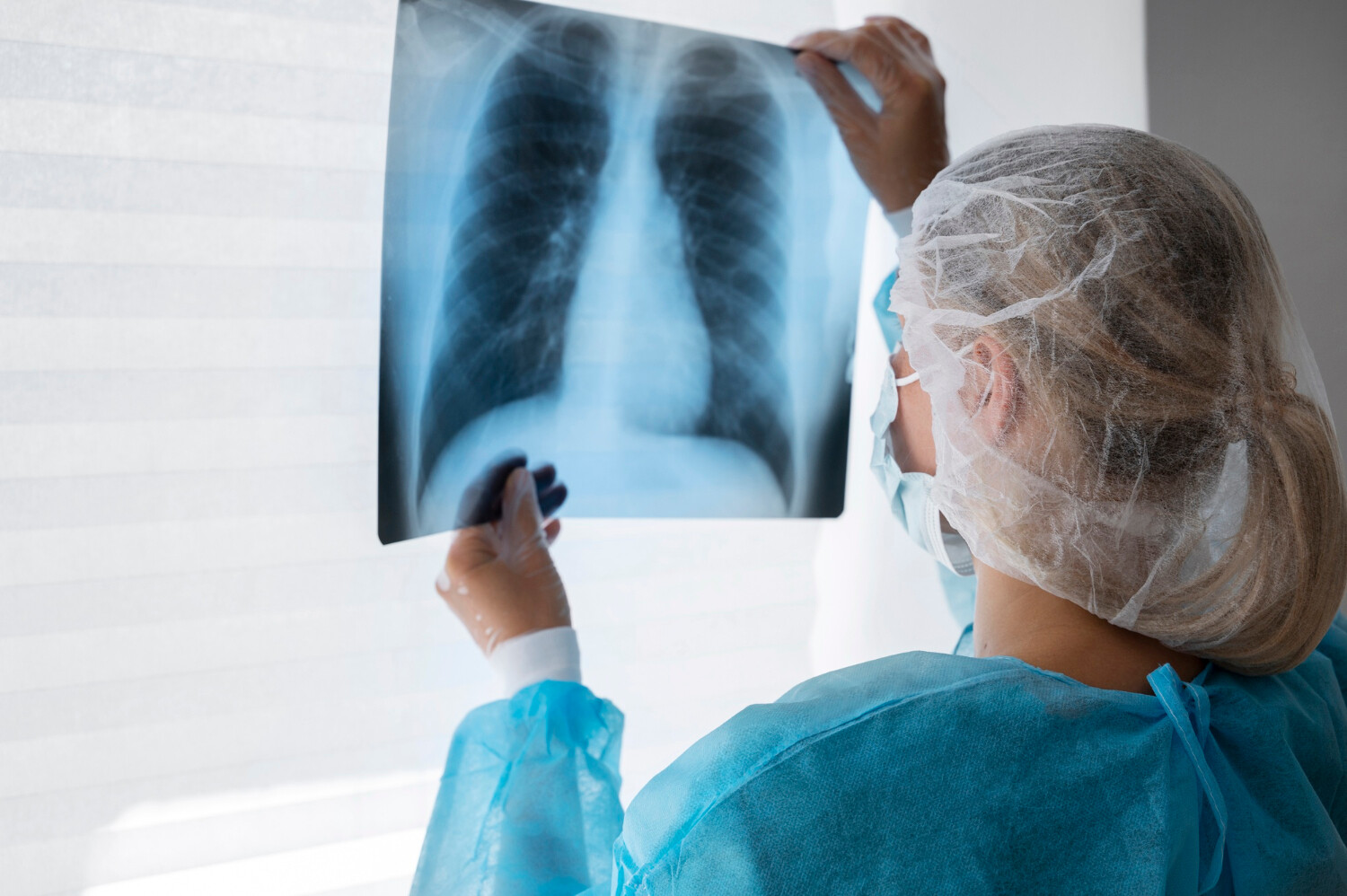
- Chest X-ray, CT or MRI of the lungs will be performed
- Pulmonary function tests - spirometry
- Bronchoscopy (examination of the respiratory tract with a camera)